


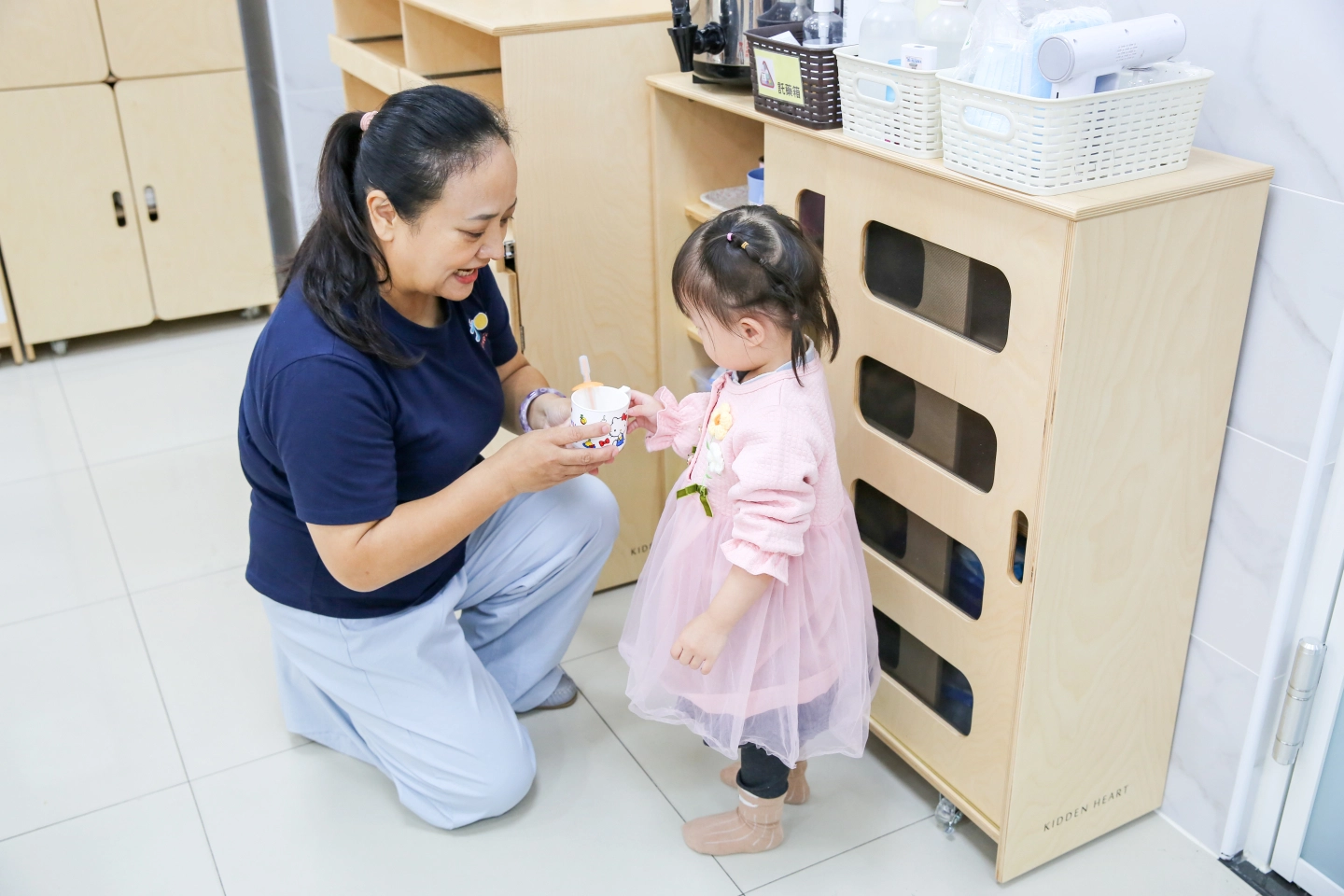
That day, the principal walked us into the classroom and pointed to a row of storage shelves reaching all the way to the ceiling in the corner: "The children's backpacks are hung up there. Look — every time they need something, they have to ask a teacher for help."
She paused.
"I want the children here to not need adults for everything."
That one sentence made us rethink: early childhood space planning has never been just about interior decoration.
Key Takeaways
· Kidden's early childhood space planning follows six major processes: Design & Planning Consultation → Raw Material Import → Design & Development → Precision Manufacturing → Assembly & Quality Inspection → On-Site Installation & Delivery
· Good early childhood space design must begin with a needs interview, not a catalog browse — customized solutions are what truly solve classroom pain points
· Furniture materials should be managed from the source; imported birch plywood that meets international safety and environmental standards is the top choice for children's furniture
· In-house factory production throughout, with CNC precision machining paired with hand assembly, ensuring every piece of furniture is dimensionally accurate and structurally solid
· Rounded edges and multi-stage sanding are not added value — they are the basic safety requirements for children's furniture
· On-site installation and final acceptance are handled by a professional team; one-stop service ensures clear accountability and guaranteed quality
Why Does Early Childhood Space Planning Deserve Serious Attention?
Every day, children spend more than 8 hours in kindergarten.
Every table, every bookshelf, every circulation path in that space silently tells children: "This was designed for you" — or "This is really for adults; you just happen to be here."
According to Montessori educational research, when the learning environment matches the scale and autonomy needs of children, children's concentration time can be extended by more than 30%, and teachers' daily assistance needs are significantly reduced. Space design is an invisible educational tool.
Yet many kindergartens encounter three common problems the first time they plan a space:
1. Unclear about the process: Where to start? Should we look for a design firm or a furniture manufacturer?
2. Budget is hard to estimate: How do you calculate costs? Will there be unexpected add-ons midway?
3. No confidence in quality: Is the furniture safe? Will the finished product match the design drawings?
This article fully breaks down Kidden's six major service processes, so you know — before issuing any orders — what a responsible early childhood space planning project should look like.
Kidden's Six-Process Complete Breakdown
Process 01 | Design & Planning Consultation
Start with needs, not with a catalog.
Many clients contact us for the first time without a clear idea — only knowing that "the current space doesn't flow well" or "we want to replace the old furniture." That's completely normal, and it's actually our favorite starting point.
At this stage, the Kidden team conducts in-depth needs interviews with clients, discussing not just "what furniture do you want," but:
-
What is the biggest day-to-day inconvenience in the classroom right now?
-
What is the age range of the children enrolled?
-
Is there a specific teaching philosophy? (Montessori, thematic, or other)
-
What are the teachers' daily movement patterns? Where do things often "get stuck"?
-
What is the budget range and ideal completion time?
After the interview, we integrate design concepts, material usage, and safety standards to build a customized solution for each project — not by applying an existing template, but by truly starting from the needs of this specific kindergarten.
One useful benchmark to remember: if a vendor gives you a quote on first contact without asking any questions about your needs, that is a signal to carefully evaluate their service quality.
Process 02 | Raw Material Import
Good furniture starts with good materials.
The safety and quality of furniture is half-determined the moment the materials are selected.
Kidden exclusively selects high-quality imported birch plywood and eco-friendly wood as the core material for all furniture. White birch has high wood density, stable structure, and fine natural grain — it is the globally recognized top choice panel for children's furniture.
All imported raw materials must meet the following standards before entering Kidden's production process:
-
Formaldehyde emissions: Low formaldehyde
-
Environmental certification: Wood sourced in compliance with FSC International Sustainable Forestry Standards
-
Coating inspection: Surface coating passes non-toxic testing, free of harmful heavy metals and volatile organic compounds (VOC)
This process is "invisible" to clients, but it determines whether the tabletop children touch every day is truly as safe as the vendor claims.
Purchasing advice: When requesting quotes from any furniture vendor, you can ask for formaldehyde test reports for the panels. These reports should be issued by a legitimate third-party institution and dated within two years. Verbal assurances have no legal effect — only reports do.
Process 03 | Design & Development
The more clearly confirmed on paper, the closer the finished space will be to your expectations.
Once materials are confirmed, the design team enters the development phase. For clients, this is where the value of "customization" is most tangible.
The Kidden design team uses structural simulation and drawing planning to precisely capture the proportions and details of each piece of furniture:
-
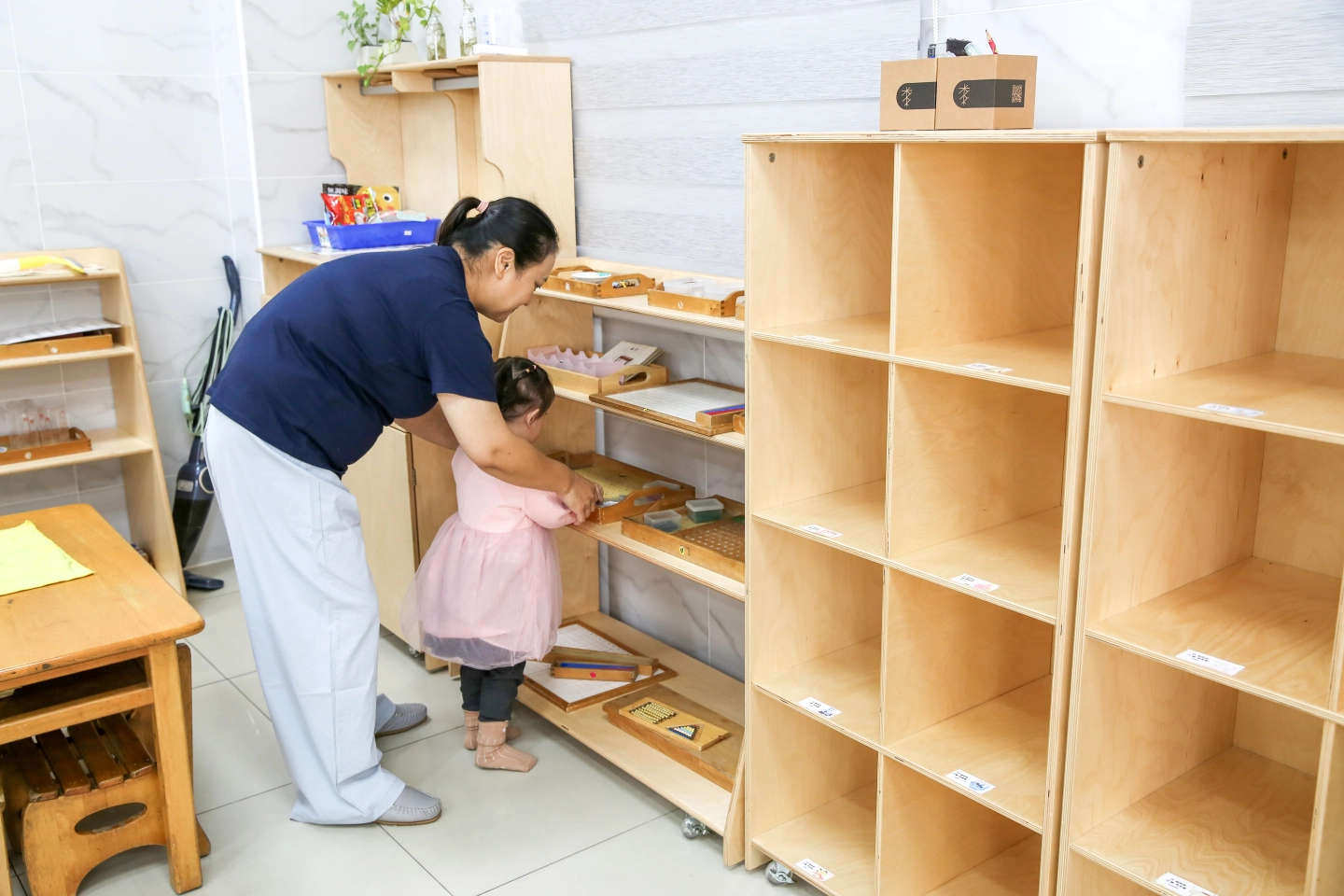
Does the size of each piece of furniture meet ergonomic standards for the enrolled age group?
-
Can children operate the opening direction of storage systems on their own?
-
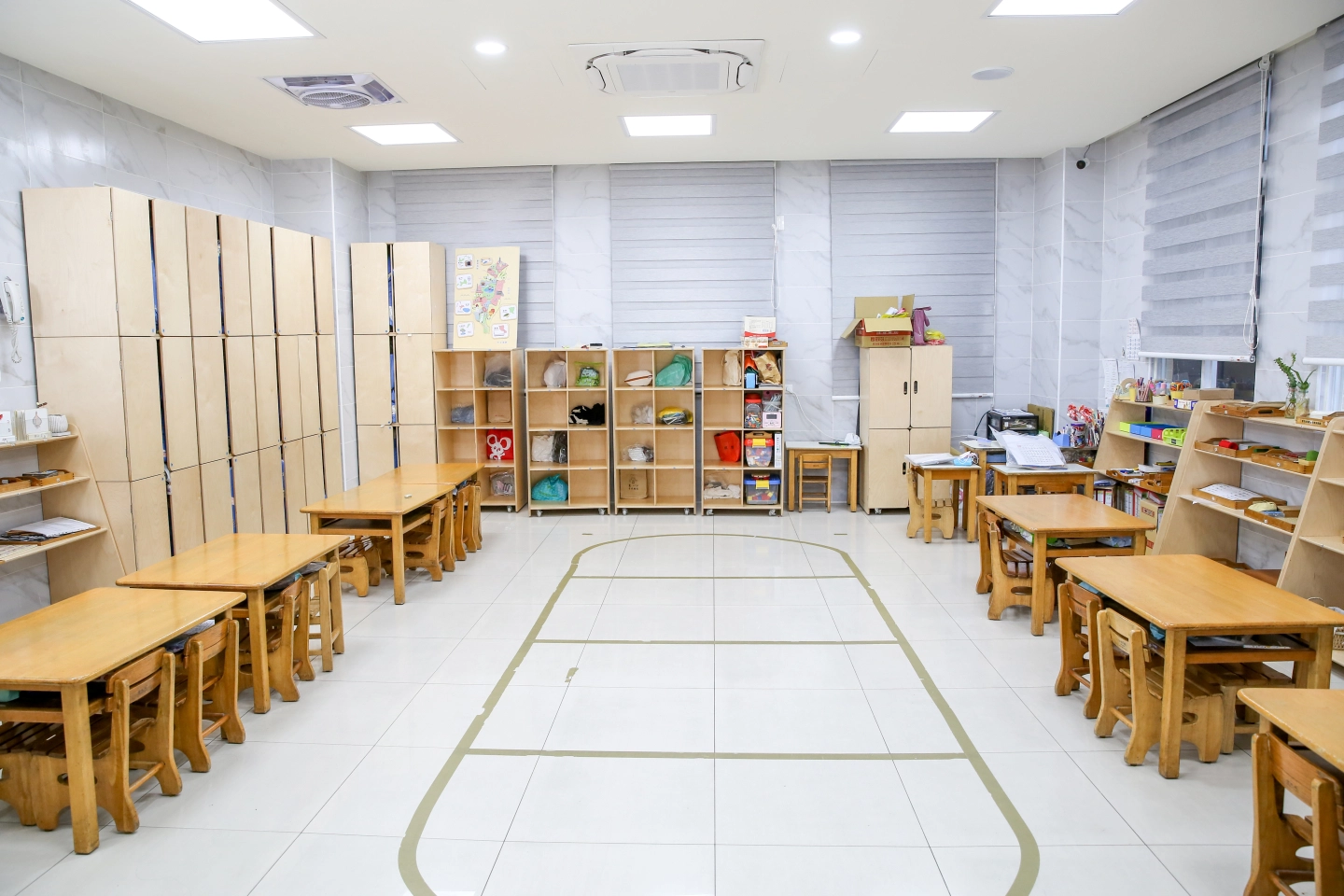
Does the classroom circulation plan create any blind spots or movement obstacles?
-
Can the combination of materials and colors integrate with the overall classroom style?
This phase usually requires 1–3 rounds of back-and-forth discussion to confirm the final design plan. Clients should raise all questions fully during this stage — revisions after design confirmation will significantly increase both cost and time.
A special note for clients ordering custom pieces:
The biggest difference between custom furniture and off-the-shelf furniture is that custom pieces are tailored to your space — which means you only discover whether the details are right once it's installed. Is the shelf height sufficient? Does the door swing block the aisle? Is the compartment depth suitable for what will be stored?
These questions look like just numbers at the drawing stage, but they become real user experiences once the space is occupied.
Therefore, during the design confirmation phase, clients need to do something many people skip over: think carefully about how this cabinet will be used every day. Who uses it? What goes in it? How is it accessed? Can children operate it themselves? Do teachers need to assist?
Thinking through the usage scenarios before confirming the drawings is the most effective way to avoid discovering 'something feels off' after a custom piece is completed. The Kidden design team will proactively guide clients to think through these questions during the proposal phase, but the person who knows the classroom's daily operations best is always the client.
Process 04 | Precision Manufacturing
Our own factory — every component completed under our own watch.
Once the design plan is confirmed, we enter the most core phase of Kidden — manufacturing.
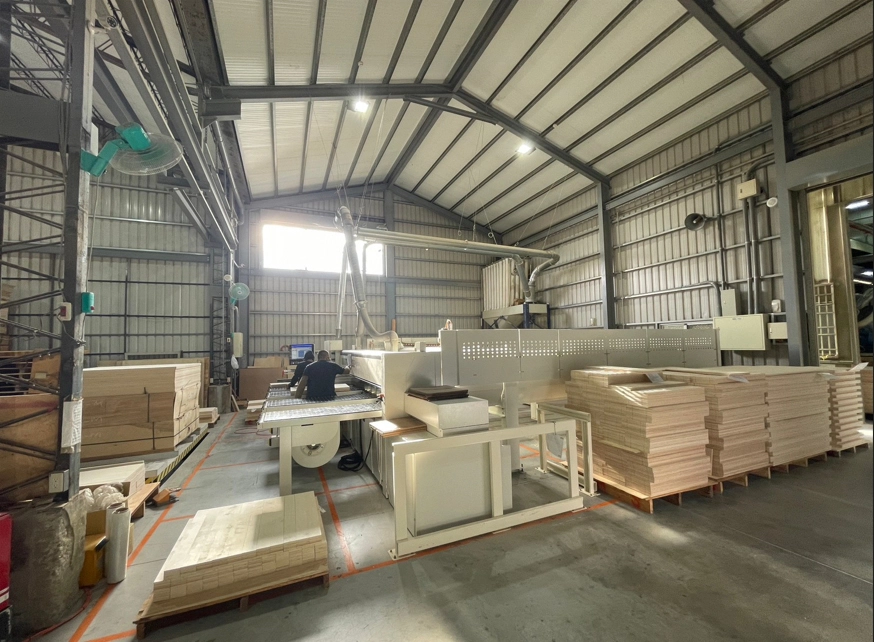
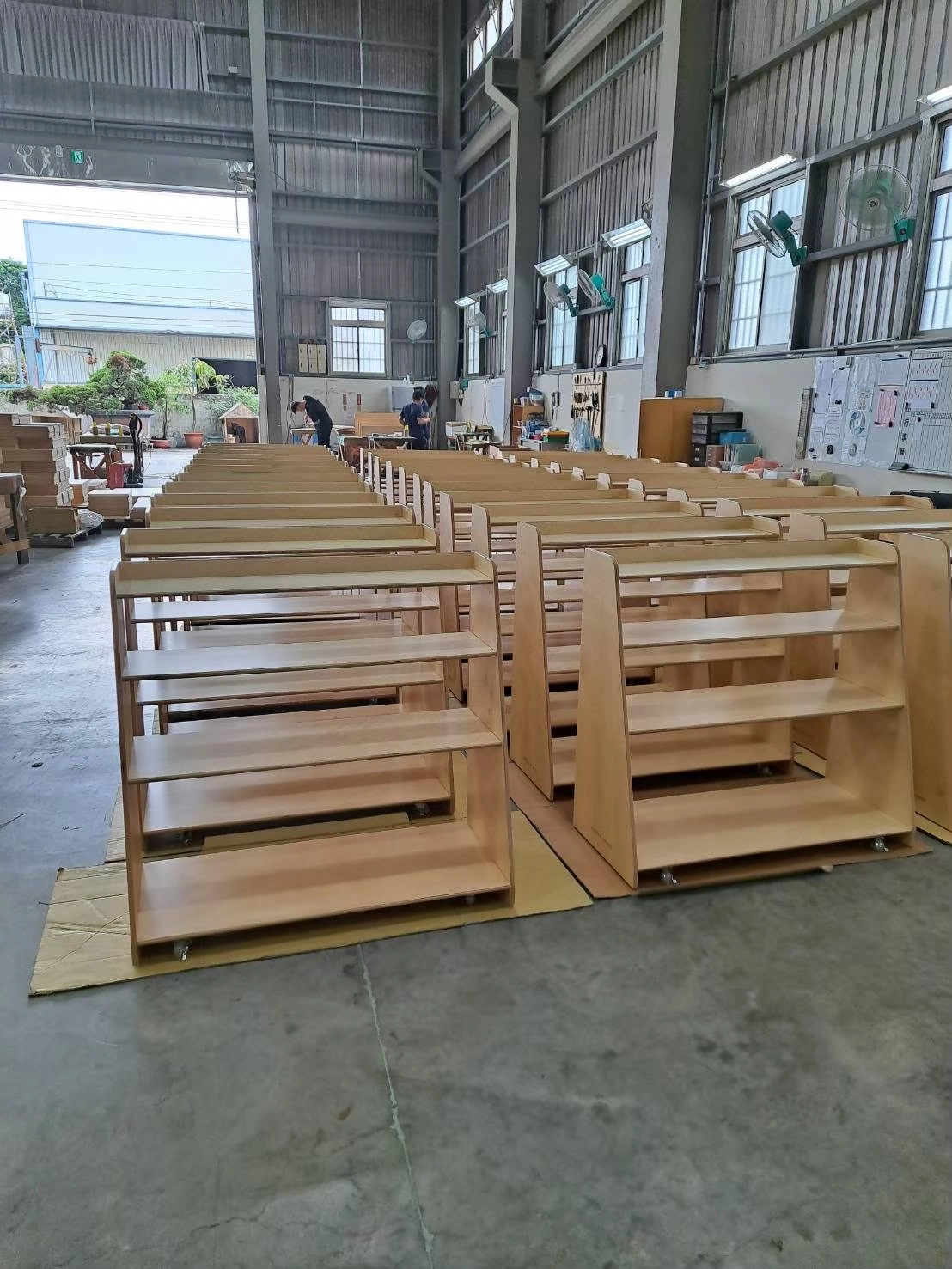
All furniture is produced entirely at Kidden's in-house factory, using a dual-track approach of CNC automated equipment and professional woodworking techniques:
-
CNC precision machining: Ensures every component is dimensionally accurate, with stable structure that doesn't wobble
-
Professional woodworking techniques: For special shapes and customized details, handled by senior craftsmen
Why insist on an in-house factory?
Because outsourcing production means a break in quality control. When orders are handed to a contract factory, the vendor's ability to oversee material substitutions and process shortcuts is greatly reduced. Kidden chooses to complete all manufacturing at its own factory — a commitment to ensuring that the promised materials and design are faithfully reflected in the finished product.
Process 05 | Assembly & Quality Inspection
Before leaving the factory, every piece of furniture must pass our own standards.
After manufacturing is complete, the process moves to assembly and quality inspection.
Kidden's professional craftsmen hand-assemble each piece, and every finished product must pass the following inspections before leaving the factory:
Structural Safety Inspection
Overall structural stability testing (shaking, pressure, load-bearing)
All fasteners confirmed tightened, no looseness
Surface Craftsmanship Inspection
Surface undergoes multi-stage hand sanding, confirmed smooth with no burrs
All edges completed with rounded-corner treatment, no sharp corners remaining
Dimensional Specification Confirmation
Each piece measured against design drawings to confirm dimensions match specifications
This process is the safety baseline for children's furniture, not a bonus feature. Every edge children touch in the classroom, every chair they sit on, must be carefully verified at this stage.
Process 06 | On-Site Installation & Delivery
The final step — and the one that truly brings the space to life.
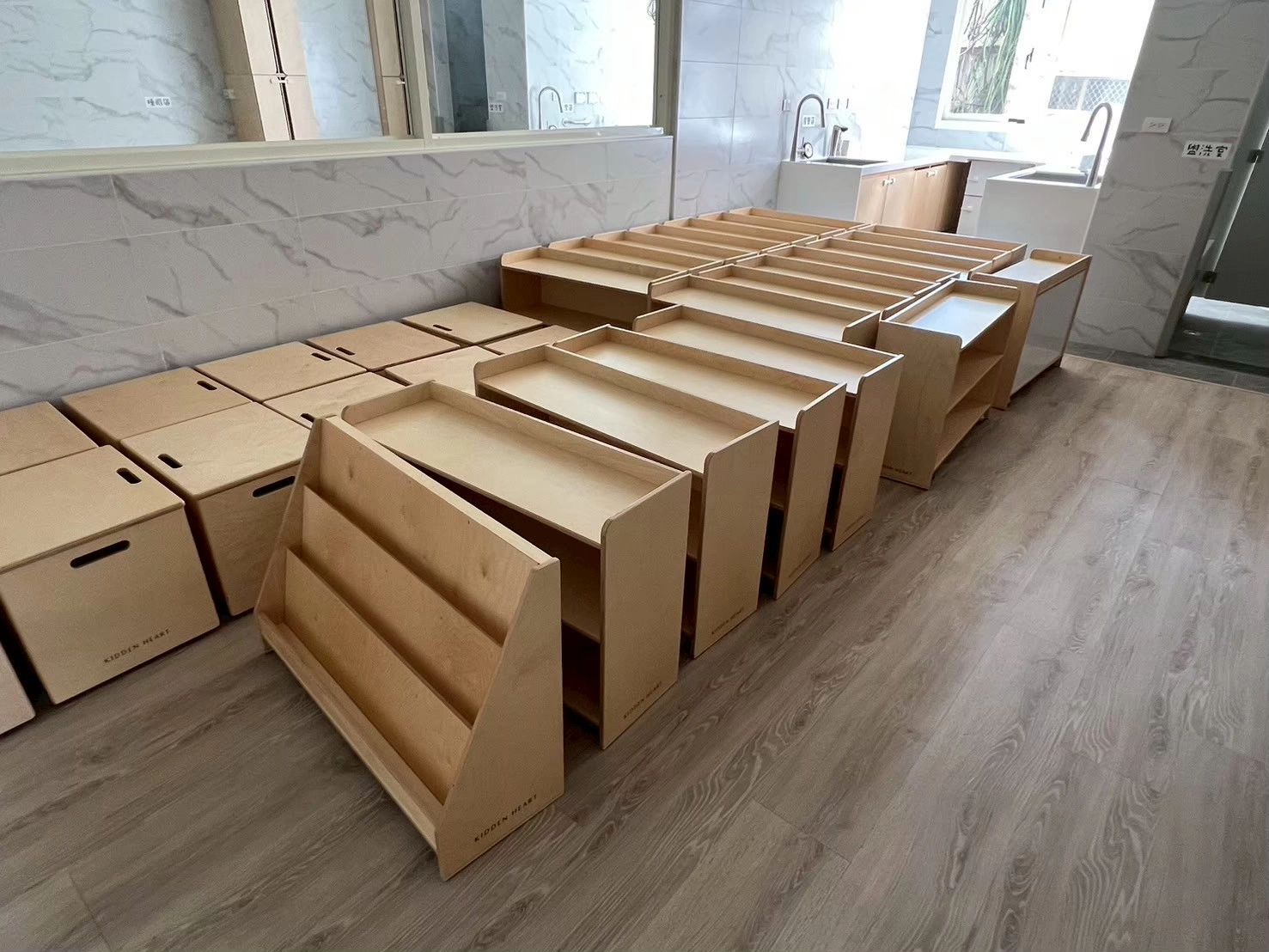
After furniture leaves the factory, Kidden's professional installation team arrives on-site to handle the installation. This step is not just 'move it in and set it down' — on-site installation includes:
-
Confirming furniture placement positions based on the design floor plan
-
Wall-anchoring fixed furniture to ensure it won't tip over
-
Pre-adjusting adjustable components (shelves, seat heights, leveling) as needed
-
Overall cleaning upon installation completion
After installation, the final acceptance and handover takes place:
Acceptance Checklist
-
All furniture placement matches the design drawing
-
Fixed furniture wall-anchoring is secure
-
Edge rounded-corner treatment is complete, no sharp corners
-
Surface coating is uniform, undamaged
-
Doors, drawer panels operate smoothly
-
Space cleaning complete, waste removed
After acceptance is complete, the client should receive:
-
Completion invoice
-
Completion acceptance certificate
4 Core Principles of Space Design
Beyond the six major processes, Kidden adheres to 4 design principles in every early childhood space planning project.
Principle 1: Children Can Do It Themselves
All frequently-used items are placed no higher than a child's shoulder height. Backpack hooks, picture book shelves, and personal item storage — these are things children operate every day, and the design must allow them to manage without adult assistance.
Principle 2: Circulation Matters More Than Aesthetics
Main classroom aisles are recommended to be at least 80 cm wide, so children can move freely without bumping into each other. Furniture placement follows the children's natural movement paths, not a designer's planar aesthetic preferences.
Principle 3: Materials Convey a Sense of Safety
Birch plywood conveys more warmth and security than metal or plastic. Tactilely soft, thermally neutral wooden materials help stabilize young children's emotional states — this is a design choice supported by child behavior research, not just an aesthetic preference.
Principle 4: Empty Space Creates Freedom
Open floor space is itself a teaching tool. Children need space to spread out play mats, work with teaching materials on the ground, and roll around freely. Each child's activity area should be no less than 2 square meters; furniture configuration follows the principle of 'only the necessary.'
How to Evaluate an Early Childhood Space Planning Team? 5 Standards
1. Does it start with a needs interview?
A proper early childhood space planning process starts with an in-depth understanding of your needs.
2. Does it have its own factory?
Having an in-house factory means materials and manufacturing processes are fully within the vendor's control and quality is traceable. Vendors who outsource manufacturing have relatively weaker oversight over material substitutions and process shortcuts.
3. Can it provide material certification reports?
Certifications such as formaldehyde test reports should be issued by a legitimate third-party institution. Vendors who cannot provide reports — "low formaldehyde" is just a slogan.
4. Does it provide one-stop service?
When the same team handles everything from design and manufacturing to on-site installation, accountability is clear. When design and construction are contracted separately, it's easy for parties to pass blame when problems arise.
5. Is it willing to bring you to visit past projects or provide client references?
Vendors who have truly done early childhood spaces should have actual cases to present — not just photos on a website, but a willingness to take you to a completed kindergarten for an on-site visit, or to provide former clients' contact information so you can ask about their experience working together.
Vendors who can do this have sufficient confidence in their own work, and it indicates their client relationships are well-maintained. If a vendor only has catalogs and renderings and no actual visitable projects, proceed with caution.
Conclusion
Back to what that principal said: "I want the children here to not need adults for everything."These six processes — from the first needs interview to the final day of on-site acceptance — every single step exists to make those words a reality.
From strict sourcing of materials, to precise design simulation, to in-house factory manufacturing, to craftsmen's hand assembly and on-site installation — behind every step of the process lies the answer to the same question: Does this classroom measure up to these children?
Kidden provides one-stop services for kindergarten furniture customization and space planning, with full responsibility from design to on-site project delivery. We welcome you to book an appointment at our Taichung showroom, or contact our design team directly and tell us your space story.
Q: What should I prepare for my first contact with Kidden?
A: All you need to know are three things: 'roughly how large the classroom is,' 'the most pressing problem you want to solve right now,' and 'your budget
Q: Can a kindergarten undergo partial renovation without redoing everything?
A: Absolutely. We recommend starting with the spaces that are used most frequently and where problems are most apparent — renovate
Q: How can I confirm the furniture material is truly imported birch plywood and not a substitute?
A: During design confirmation, you can request that the contract explicitly state the panel brand and specifications, and ask for material certification reports before delivery. During the on-site acceptance, you can also request to inspect the cross-section of the panels — the layered structure of birch plywood has a clearly visible difference from ordinary plywood.
Q: Which cities and counties does Kidden's service area cover?
A: Furniture delivery and installation services cover all of Taiwan. Space design and construction services are primarily based in the central region; projects in the north or south require inquiry to confirm, evaluated based on project scale.
Q: Is it possible to visit the showroom or see other school projects?
A: We warmly welcome you to visit in person and experience the quality of the spaces. In addition to Kidden's own showroom, we have long-term cooperative relationships with numerous prominent kindergartens and nursery centers across Taiwan.